A sewage smell in house with no visible backup is usually a dry drain trap, a worn toilet seal, or a leaking drain or vent pipe. Most of those are easy fixes. The one to worry about is the smell that keeps coming back, because that can mean the main line is partly blocked or leaking where you can’t see it.
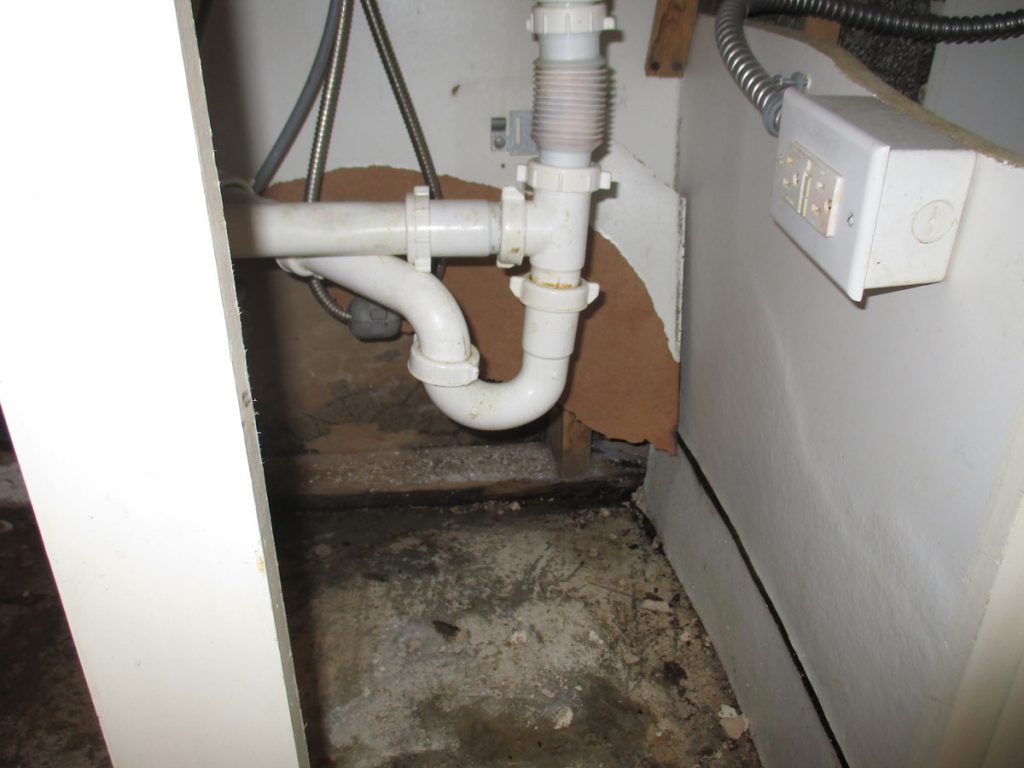
Run the quick checks below. They take a few minutes. If the odor is strong, has spread to several rooms, or shows up alongside slow drains, stop and get help. And once a backup is confirmed, professional sewage backup cleanup keeps contaminated water and materials from causing more damage.
Common causes of a sewage smell in house with no standing water
Sewer gas gets into the house when something breaks the water seal or the pipe itself. Here’s where it usually comes from:
- A dry P-trap. Every sink, tub and floor drain keeps a small plug of water in it to block sewer gas. Leave a fixture unused long enough and that water evaporates, so the smell comes straight up the drain. Guest baths and basement floor drains are the usual offenders.
- A failing wax ring. It seals the toilet to the drain, and when it goes, gas leaks out around the base. Check for a toilet that rocks or damp flooring next to it.
- A cracked or loose drain or vent line. A split joint inside a wall or ceiling can let gas out, and sometimes wastewater too. In the attic, a vent pipe that cracks or pulls apart can push odor down into the house.
- A partial clog in the main line. Water still goes down, just slowly, and the gas gets pushed back up through the traps.
- A backup starting under the slab or in a crawlspace. A broken underground line can leak sewage you never see. The smell may be the only sign you get.
Some of these are harmless. Others mean an active leak. The checks below will help you sort out which you have.
Check the easy fixes first
Find the room where the sewage smell in house is strongest, then work through these in order.
- Refill the traps. Run water in every unused sink, tub and shower for about a minute. Pour a quart or two down each floor drain. If the smell fades, a dry trap was your problem.
- Check floor drains and the lowest fixtures. Wastewater rises to the lowest opening first. Look at basement drains, laundry standpipes and ground-level showers for dampness, residue or odor.
- Listen for gurgling and watch for slow drains. One slow sink is usually a local clog. If several fixtures gurgle or drain slowly at the same time, suspect the main line.
- Inspect each toilet base. Stains, soft flooring, or a toilet that shifts when you press on it often point to a failing wax ring.
Nothing there? Then the source may be inside a wall, up in the attic vent, or underground.
Keep people and pets out if the smell is strong
Until you know where a sewage smell in house is coming from, treat it with caution. Heavy sewer odor can irritate your eyes and throat and bring on headaches or nausea. Keep kids and pets out of the affected area, and anyone with breathing problems too.
Crack a few nearby windows if the weather allows. Skip the chemical drain cleaner. It won’t fix a leak, and it can splash on whoever opens that line next.
When a sewage smell in house points to the main line
The main line carries every drop of wastewater out of your home, so when it’s blocked or damaged, you’ll see symptoms in more than one spot. Watch for these:
- Slow drains or gurgling in several fixtures
- A toilet that bubbles when you run the washer or a shower
- Odor that is strongest at the lowest drain
- A smell that comes back soon after you refill the traps
- Soggy or sunken ground over the line outside
Two or more of those? Quit troubleshooting. A plumber can run a camera through the line and find the blockage or break. If your neighbors are smelling the same thing, the trouble may be in the shared city sewer, and your utility is the call to make.
Septic systems are a different animal. The EPA’s septic systems page explains how they work and how to maintain them.
What to do if you find sewage in walls, under flooring or in a crawlspace
Say a sewage smell in house leads you to wet drywall, flooring that’s lifting, or a damp crawlspace. At that point you’re probably looking at a leak or backup, not a dry trap. Don’t tear into it yourself. Do this instead:
- Stop using the affected drains. No flushing, no laundry, no showers until the line is checked.
- Keep people and pets out of the area.
- Leave the household fans and wet vacs alone, since they can spread contamination.
- Take photos, then call your insurance company and ask how a claim works.
Sewage soaks into drywall, insulation and subfloor, and that material often has to come out. Our crews use moisture mapping and thermal imaging to see how far the moisture traveled. From there they set up containment, pull out the damaged materials and dry the structure.
Moisture left behind can turn into mold. A licensed mold assessor we bring in handles inspection and testing, and our own crews handle mold remediation if it’s needed. Our guide on why you should not DIY sewage cleanup goes deeper on the risks.
When a sewage smell in house means it is time to call
Call a professional if any of the following is true:
- The smell is strong, or it sticks around after you refill the traps
- Several fixtures drain slowly or gurgle
- You find wet walls, wet floors or damp crawlspace soil
- Sewage or dark water shows up in a drain, tub or on the floor
Fixing the pipe and cleaning up after it are separate jobs, so you may need a plumber as well. Our crews extract the contaminated water, remove what can’t be saved, clean the area and dry out the structure.
Our phone is answered 24/7, so you can call any time and talk through what you’re seeing. To book sewage backup cleanup or just ask a question, use our Contact Us page.
Sewage smell in house: common questions
Can a dry trap alone cause a sewage smell in house?
Yes. A dry P-trap is one of the most common reasons for a sewage smell in house with no visible backup. Running water in the unused drain refills the trap, and if the smell fades, that was the cause.
Why does the sewage smell come and go?
A sewage smell that comes and goes often points to a trap that dries out, or to a partial clog or small leak that releases gas at certain times. If it keeps returning after you refill the traps, have the lines checked.
Is a sewage smell with no backup dangerous?
A faint odor from a dry trap is usually a nuisance, but a strong sewage smell can irritate the eyes and throat and cause headaches or nausea. Keep children and pets away from the area until you know the source.
Should I tell my insurance company about a sewage smell in house?
If you find actual sewage damage, take photos and call your insurer to ask how a claim works. Coverage depends on your policy, so ask them directly.