Getting rid of smoke smell after even a small kitchen or electrical fire takes more than fresh air and a good scrub. The odor is not only in the air. It sits inside the materials in your home, so it keeps coming back until you clean, treat or replace those materials.
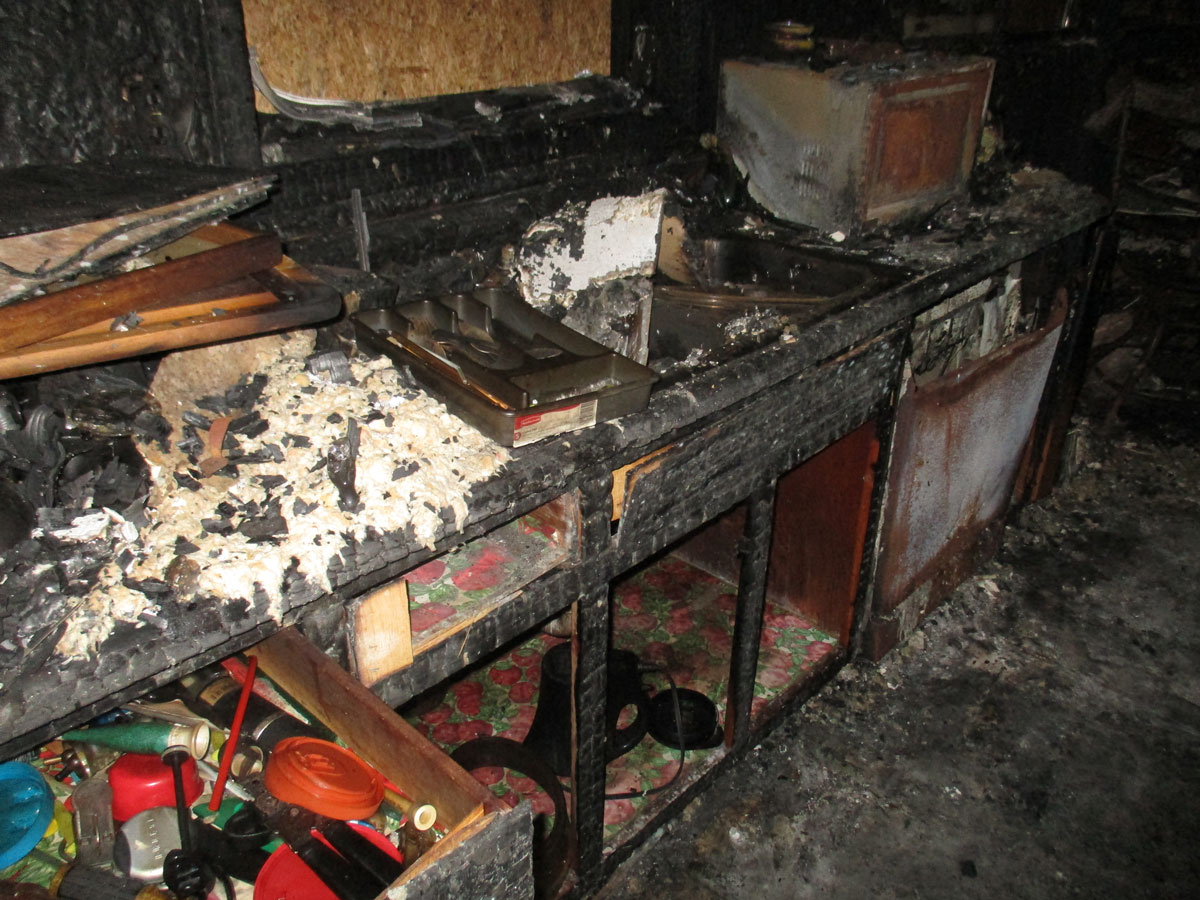
This guide explains why that happens, what to do in the first few days, and how professionals approach the job. If you are near Marietta and want help, our page on fire damage restoration Marietta explains how we work in the area.
Why smoke smell lingers after a small fire
Smoke consists of tiny particles and gases. Because the particles are so small, they travel well beyond the room where the fire started. They then settle into anything that can absorb them.
Porous materials hold on to the most. That is why the smoke smell often outlasts the visible mess. The usual hiding spots are:
- Drywall and paint, especially on ceilings and upper walls
- Insulation inside wall cavities and the attic
- HVAC ducts, vents and filters
- Upholstery, mattresses, curtains and carpet
- Wood cabinets, trim and other unsealed surfaces
Heat also plays a part. A hot fire can push smoke into gaps around outlets, light fixtures and ceiling spaces. Burning plastic, wiring and cooking grease can also leave a sticky residue that holds odor.
Why air fresheners, candles and open windows fall short
Air fresheners cover the smell for a while. They do not remove the particles causing it. Candles are even less helpful because they add more smoke to the air.
Open windows clear what is floating in the room. However, they do nothing for the smoke that has already soaked into drywall, insulation and fabric. For example, a sofa can smell fine for a day, then smell like smoke again once the room warms up.
This is why the smoke smell seems to fade, then return. Warm, humid days can make trapped odor noticeable again. Until you deal with the source materials, the smell keeps coming back.
What to do in the first days before the smoke smell sets in
The first days matter because soot and smoke smell set deeper the longer they sit. First, wait until the fire department says the home is safe to enter. Then follow these steps:
- Limit foot traffic. Walking through the home grinds soot into carpet and tracks it into clean rooms. Keep people and pets out of the worst areas.
- Do not wipe soot with water or household cleaners. Wiping can smear soot into paint and porous surfaces and make it harder to remove. Leave it alone until you know how to clean it.
- Turn off the HVAC if smoke reached it. Running the system can pull soot and odor through the ducts and spread it to every room. Leave it off until someone checks the system.
- Photograph everything before you move it. Take wide shots and close-ups of walls, ceilings, furniture, appliances and belongings. These photos help with cleaning decisions and with your insurance claim.
Protect your lungs too. Smoke and soot particles can be small enough that you can inhale them deeply, and the EPA’s overview of particulate matter explains why fine particles are a health concern. If you must go inside, wear gloves and a well-fitting mask, and keep children away from soot-covered areas.
How professionals remove smoke smell
Professional crews treat the cause of the smoke smell, not just the air. The exact steps depend on how much smoke the home took on, but the approach generally follows a pattern.
Clean the soot first
Soot comes in different types, and each type needs a different cleaning method. Crews often remove dry soot with specialized vacuuming or dry sponges. Greasy soot from a kitchen fire needs a different product. Cleaning surfaces correctly is the first step in removing smoke smell, because leftover soot keeps releasing odor.
Treat or replace what absorbed the smoke
Crews can clean and seal some materials, but they cannot save others. If smoke soaked into insulation or drywall, replacing it is sometimes the only way to remove the smoke smell for good. Crews may clean and deodorize fabrics and soft contents or, in some cases, discard them.
Address the air system
Ducts, vents and filters can hold soot and odor even when the rooms look clean. Crews inspect the system and clean or replace parts as needed. They may also run air filtration while work is underway so loose particles do not settle again.
You can read more about the services we offer on our fire and smoke damage remediation page.
When to call a restoration company and your insurer
Call a restoration company if any of these apply:
- You can still smell smoke after a day or two of airing out the house
- You see soot on walls, ceilings or around vents
- Smoke reached the HVAC system
- Wiring or electrical equipment was involved in the fire
- Firefighters used water, which can leave water damage behind the walls
Acting early helps because a lingering smoke smell is harder to remove once it has worked into porous materials.
Contact your insurance company early as well. Ask what your policy covers, what documents they need, and whether they want to see the damage before cleanup starts. Keep your photos, receipts and any notes from calls. Coverage depends on your policy, so your insurer is the one to tell you what applies.
If you want someone to look at the damage, you can contact us. We answer our phone 24/7. You can also read about fire damage restoration in Marietta and the nearby communities we serve.
Smoke smell: common questions
How long does smoke smell last after a house fire?
There is no fixed timeline. If the affected drywall, insulation, ducts and fabrics are not cleaned or replaced, the smoke smell can linger for a long time and often returns on warm, humid days.
Can vinegar or baking soda remove smoke smell from a house?
They may take the edge off a small item, but they cannot reach smoke trapped inside walls, insulation or ductwork. Using them on soot-covered surfaces can also smear the soot, so wait for guidance first.
Is smoke smell in the house harmful to breathe?
Smoke and soot particles can irritate your eyes, nose and lungs, especially for children, older adults and anyone with asthma. If the smoke smell is strong, limit time in the affected rooms and ask your doctor about any symptoms.
Does a professional always have to replace drywall to get rid of smoke smell?
No. Light smoke exposure on sealed surfaces can often be cleaned and treated, while materials that absorbed heavy smoke may need replacing. A walkthrough of the damage shows which applies to your home.