Soot damage repair is often the biggest part of cleaning up after a fire, even a small one. Soot travels far beyond the room that burned. It coats walls, ceilings, cabinets, electronics and clothes, and it keeps causing damage while it sits. Some of it cleans up well. Some of it doesn’t. Here is how to tell the difference, and what you should and shouldn’t do yourself.
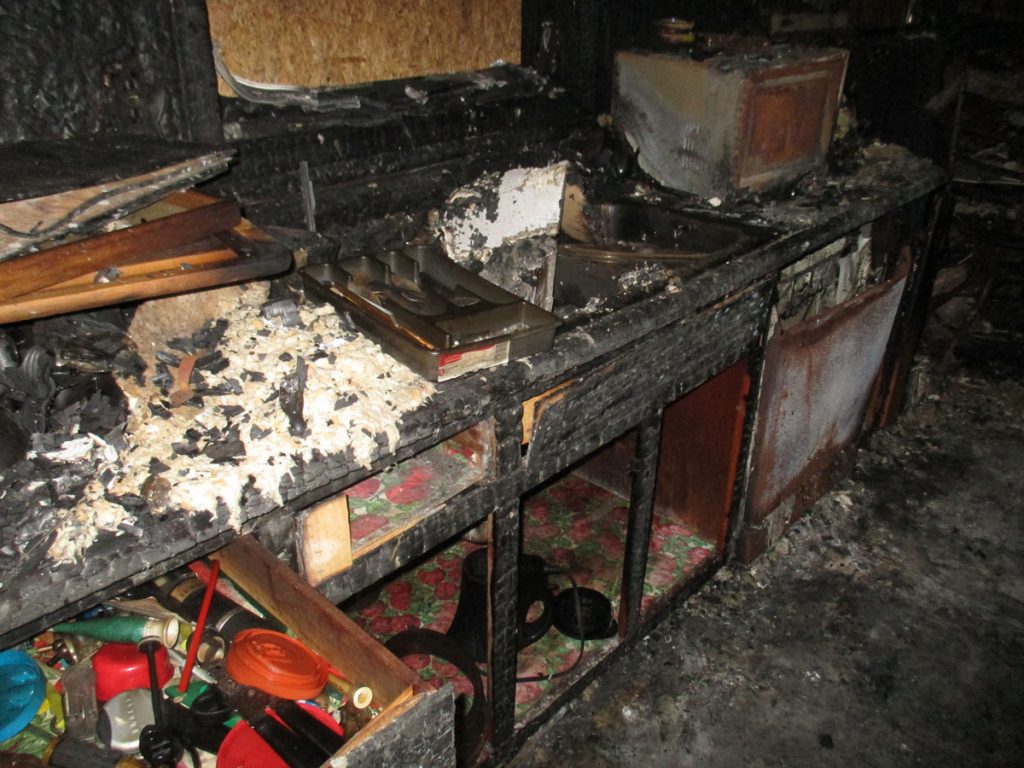
Why soot is more than dirt
Soot is the fine, carbon-rich residue left when materials burn. It is often oily, and it is usually acidic. As a result, it starts to discolor plastics, grout and painted surfaces within hours. Over a few days it can etch glass, pit metal and stain stone. Soot particles are also very fine, so they settle deep into fabric, carpet and porous surfaces, and they can irritate your lungs.
The different kinds of soot
Not all soot behaves the same way, and the type decides how it has to be cleaned:
- Dry soot comes from fast, hot fires burning paper and wood. It is powdery and is the easiest to clean.
- Wet, oily soot comes from slow, smoldering fires burning plastics and rubber. It smears easily and sticks to surfaces.
- Protein residue comes from kitchen fires where food burned. It is nearly invisible but leaves a strong odor and a yellow film.
- Fuel oil soot comes from furnace puff-backs. It is thick, sticky and hard to remove.
What can usually be cleaned
Many items come through soot damage repair just fine when they are cleaned promptly and correctly:
- Hard, non-porous surfaces such as glass, metal, sealed countertops and tile.
- Painted walls and ceilings with light to moderate soot.
- Finished wood cabinets and furniture, if the finish wasn’t blistered by heat.
- Many clothes and washable fabrics, with the right cleaning process.
- Dishes, glassware and many hard household items.
What usually has to go
On the other hand, some materials hold soot and smoke odor no matter what. These usually have to be removed and replaced:
- Insulation, which traps smoke odor and fine soot.
- Drywall that is heavily stained, blistered or wet from firefighting.
- Carpet and pad that took heavy soot or water.
- Mattresses, pillows and upholstered items with heavy contamination.
- Food, medicine and cosmetics exposed to heat, smoke or soot.
Mistakes to avoid
It is natural to want to start scrubbing. However, a few common mistakes make soot damage repair harder and more expensive:
- Wiping walls with a wet rag. Water and household cleaners often smear oily soot and drive it deeper into paint.
- Running the HVAC system. It spreads soot through the whole house and into the ducts.
- Vacuuming with a regular vacuum. Fine soot passes right through most household filters.
- Painting over stains. Without the right cleaning and a stain-sealing primer, soot and odor bleed back through.
- Waiting. Because soot is acidic, every day it sits means more surfaces that can’t be saved.
How professionals handle soot damage repair
A restoration crew starts by identifying the type of soot and how far it spread. Next, loose soot is removed with dry methods, such as dry-cleaning sponges and HEPA vacuums, before any wet cleaning. Then surfaces are cleaned with methods matched to the residue. Finally, odor is treated at the source, and anything that can’t be saved is removed and replaced. The Environmental Protection Agency explains why fine smoke particles matter for your health on its particulate matter basics page.
Soot damage repair questions we hear often
Is soot dangerous to breathe?
Soot is made of very fine particles that can irritate your eyes, nose and lungs. People with asthma, children and older adults are the most sensitive. If you have to go into a sooty room, keep the visit short and wear a properly fitted N95 mask.
Can I stay in my house with soot damage?
It depends on how far the soot spread and whether the fire department cleared the house. Light soot confined to one room is different from soot throughout the house and in the ductwork. When in doubt, stay somewhere else until the cleanup is done.
Will the smoke smell come back?
It can, if soot is left in wall cavities, insulation or ducts, or if stains are painted over without sealing. That is why odor removal and tear-out of contaminated materials matter as much as surface cleaning.
Does soot damage get worse over time?
Yes. Because soot is acidic, it keeps staining and etching surfaces until it is removed. Starting soot damage repair within the first day or two saves more of your belongings.
When to call for help
A tiny smudge from a candle is a weekend job. But if soot reached more than one room, got into the HVAC system, or came with water from firefighting, it is time to call a professional. Learn more about our fire damage repair service, or read our fire damage repair timeline to see how a full job runs. RapidRestore24 serves Marietta and metro Atlanta, and our phone is answered 24/7 at 404-445-4561.