Yes. If water came into your house from outdoor flooding or storm surge, it’s contaminated Floodwater, and you should treat it that way from minute one. On the way to your door it picks up soil, street runoff and sometimes sewage.
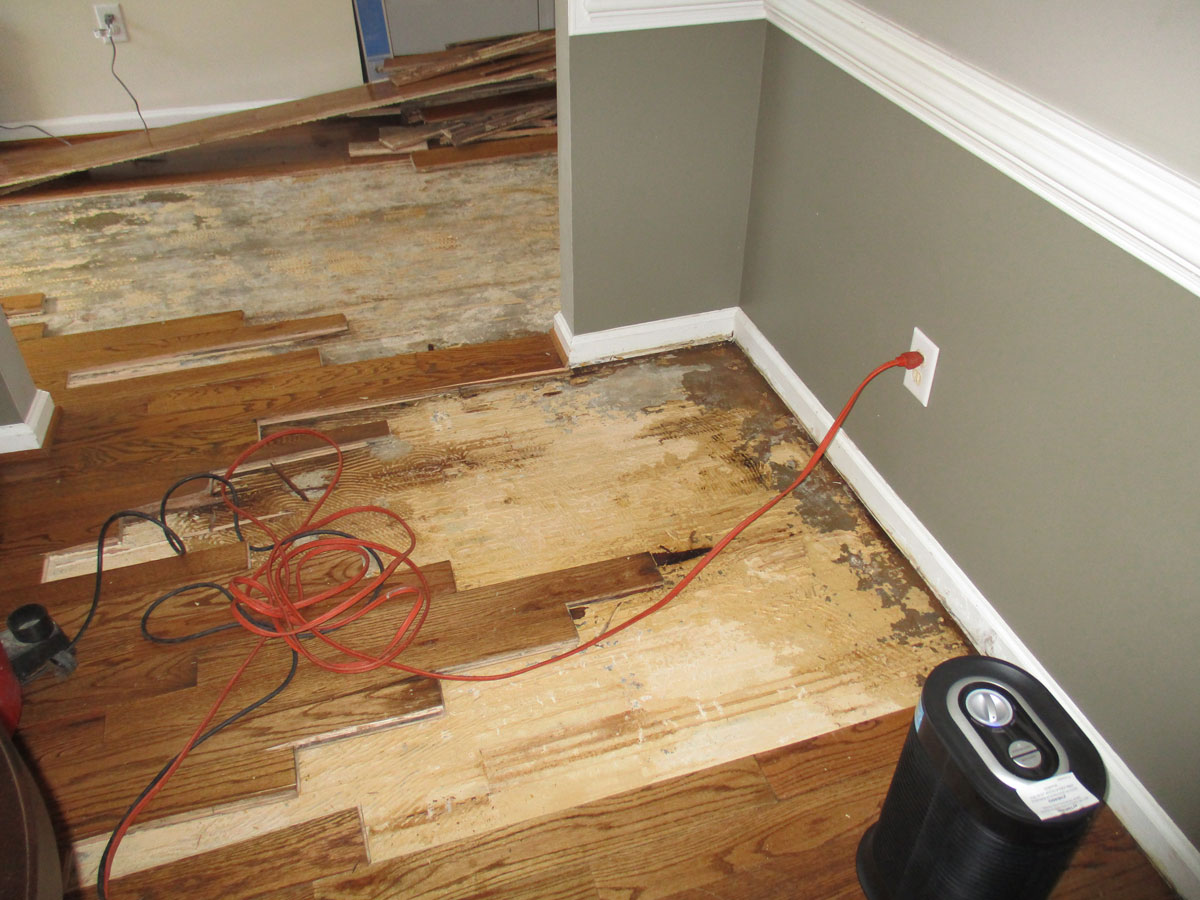
That changes the cleanup. Drying alone won’t do it, because the germs stay behind on every surface that got wet. We go through how we handle these jobs on our flood damage cleanup Kennesaw page.
Why Contaminated Floodwater Is Never Clean
Think about the route contaminated Floodwater takes. It crosses yards, driveways, roads and fields before it reaches you, and it collects soil, fertilizer, motor oil, animal waste and trash as it goes.
Then it often meets storm drains and sewer lines that are already overwhelmed. A flood that looks like plain muddy rainwater can still have sewage in it. You can’t tell by looking, and you can’t tell by smell, so the safe default is to treat all of it as unsafe.
Federal flood-safety guidance from Ready.gov says the same thing: stay out of floodwater, since it can be contaminated and can hide debris.
Clean Water, Gray Water and Black Water
Restoration crews sort water by risk, and the terms are easy enough.
Clean water comes from a broken supply line or an overflowing sink. It isn’t harmful at first, though it gets riskier the longer it sits.
Gray water is what you get from a washing machine or dishwasher overflow. It carries soap, dirt and some germs.
Black water is heavily contaminated. Sewage backups go here, and so does water that rises in from outside.
In most cases, contaminated Floodwater is handled as black water. We can’t know what’s in it, so crews assume the worst and plan around that.
What to Avoid Touching After a Flood
Porous materials soak up contaminated Floodwater and keep it. Hard surfaces don’t, so the two get handled differently.
Once they’re soaked, these are often past the point of cleaning well:
- Carpet and carpet padding
- Insulation
- Wet drywall
- Upholstered furniture and mattresses
Most of it has to come out. Don’t press on it barehanded, and don’t try to dry it where it sits.
Tile, sealed concrete and solid wood framing can usually be cleaned and treated rather than tossed. A professional crew makes that call case by case.
Safety Steps Around Contaminated Floodwater
Your safety comes ahead of your stuff, so stay out of contaminated Floodwater where you can. Until help arrives:
- Shut off power only if you can reach the panel safely. If you’d have to stand in water to get there, don’t. Call an electrician or your utility.
- Put on rubber boots and waterproof gloves whenever you’re near the water.
- Keep kids and pets out of the affected rooms.
- Wash your hands with soap and clean water after any contact.
- Take photos of the damage before you move anything.
Why Contaminated Floodwater Needs Cleaning, Not Just Drying
Drying pulls out moisture. It doesn’t pull out germs. Once the contaminated Floodwater recedes, residue is still sitting on floors, on framing and behind the walls.
So there are two jobs: dry the structure, then clean and treat every surface the water reached. Skip the cleaning and you also make mold more likely, since leftover moisture and dirt give it somewhere to start.
Sewage works the same way, and we cover it in our guide on why sewage backup cleanup is not a DIY job.
How Our Crews Clean Up After a Flood
Every house is different, but the order is generally the same, because contaminated Floodwater leaves trouble on the surface and inside the structure.
First, the affected materials come out: soaked carpet, padding, insulation and wet drywall. Next comes moisture mapping. We go over walls, floors and framing with moisture meters and thermal imaging to find where the water actually traveled. Then drying equipment pulls moisture from what’s left, which is structural drying. Last, we clean the hard surfaces and framing the water touched and treat them.
If mold becomes a worry afterward, a licensed mold assessor we bring in handles the inspection and testing. Our own crews do the remediation. More on that is on our mold remediation work page.
When to Call About Contaminated Floodwater
Call a professional if the water came from outside, covers a big area, or touched drywall or insulation. Same if it may have mixed with sewage, or if it’s been sitting a while. Not sure? Assume it’s contaminated Floodwater and ask for advice.
Call your insurer early, too. Policies often treat flood damage and other water damage differently, and your insurer can tell you what yours says. We can’t promise what any policy will cover.
We handle flood damage cleanup in Kennesaw and the surrounding area, and our phone is answered 24/7. You can also reach us through our contact page.
Contaminated Floodwater: common questions
Can I clean up contaminated floodwater myself?
For anything beyond a very small spill, it is risky. Contaminated floodwater soaks into carpet, padding, drywall and insulation, and household cleaning rarely reaches those layers. A professional crew can remove affected materials and treat what stays.
Is water that leaks through my roof during a storm also contaminated floodwater?
Roof leaks are usually treated differently from outdoor flooding, but the water can still pick up dirt and insulation material on its way down. A professional can look at where it traveled and tell you how to handle it.
Does homeowners insurance cover contaminated floodwater damage?
It depends on your policy. Many policies treat flood damage and other water damage differently, so call your insurer and ask what yours says. We cannot promise what any policy will cover.
How soon should I act after contaminated floodwater gets into my house?
As soon as it is safe. The longer wet materials sit, the more room germs and mold have to spread. Start by staying out of the water, then arrange professional cleanup.