Here is what to do after a burst pipe, in the order that matters most. The first hour decides how much of your home you can save.
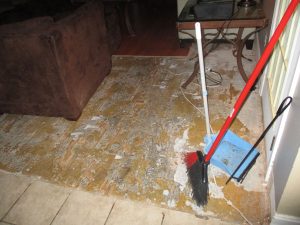
Shut off the main water valve first. Nothing else you do matters much while water is still coming out of the pipe. Once the water is off, make the area electrically safe, move what you can out of the way, photograph the damage and decide whether you need professional help.
Here is the order that works best in the first hour.
Step 1: Shut off the main water valve
The main shutoff is usually where the water line enters the house. Common spots are a basement or crawl space wall, a utility closet, the garage, or near the water heater. Some homes have the shutoff outside in a meter box near the street, which may need a meter key or a large wrench.
Turn the valve clockwise until it stops. A lever-style valve is closed when the handle sits crosswise to the pipe.
After that:
- Open a faucet on the lowest floor and another on the highest floor to drain what is left in the lines.
- If the burst is at or near the water heater, turn the heater off at its breaker or gas control.
- If you cannot find the valve or it will not turn, call your water utility or a plumber right away. Do not force a stuck valve until it breaks.
It is worth learning where this valve is before you ever need it. Everyone in the house should know.
Step 2: Cut power to affected areas, only if it is safe
Water and electricity are a serious hazard. Water can run into outlets, light fixtures, appliances and the electrical panel.
- If the breaker panel is in a dry area and you can reach it without stepping in water, turn off the breakers for the wet rooms. If you are unsure which ones, turn off the main breaker.
- If the panel is in a wet area, or water is near it, do not go near it. Call an electrician or your power company.
- Do not touch outlets, cords or appliances in standing water.
- If water is dripping through a ceiling light fixture, treat that circuit as live and stay away from it.
A ceiling that is bulging or sagging may be holding a lot of water and can fail without warning. Keep people and pets out from under it.
Step 3: Move belongings and limit the spread
Once the power question is settled, protect what you can.
- Lift valuables first: electronics, documents, photos, small furniture and anything that soaks up water.
- Pull up area rugs and remove items from the floor of closets and cabinets.
- Put foil or plastic blocks under furniture legs that you cannot move, so wet carpet does not stain the wood or the wood does not stain the carpet.
- Soak up surface water with towels, mops or a wet/dry vacuum. Never use a regular household vacuum on water.
- Use buckets to catch any remaining drips.
Do not try to move heavy furniture or appliances out of deep water on your own. Your safety comes before the furniture.
Step 4: Photograph and video the damage before cleanup
Your insurance company will want to see what happened, so document it before you start tossing things out.
- Take wide shots of each affected room, then close-ups of wet walls, ceilings, floors and belongings.
- Photograph the broken pipe or fitting itself, if you can see it.
- Record a slow walkthrough video, narrating what you see.
- Make a list of damaged items, and keep receipts for any emergency purchases like towels or a plumber’s visit.
Then call your insurance company to report the loss. How a claim moves forward depends on your policy, so ask the insurer what it requires and what emergency steps it expects you to take. Whether something is covered is between you and your insurer, and we cannot say for you.
Why water spreads faster than you expect
A burst pipe rarely leaves a tidy puddle. A supply line is under pressure, so even a small break can release a lot of water quickly, and gravity and absorbent materials do the rest.
- It goes down. Water soaks through subfloor seams, runs along joists and drips through ceilings into the rooms below.
- It goes into walls. It slips behind baseboards and pools at the bottom of the wall cavity, where drywall and insulation soak it up. Drywall can wick moisture upward well above the visible water line.
- It hides. Insulation, subfloor and framing can stay wet long after the surface feels dry to the touch.
- It gets worse with time. Wet materials swell, warp and stain. Damp conditions can also support mold growth within a day or two.
This is why a room that looks fine after mopping can still have moisture trapped in the walls or under the floor. Our guide on how to tell if water damage was dried properly explains what to watch for, and our article on what to do in the first 48 hours after a leak covers the mold risk in more detail.
When to call a restoration company
A small, quickly caught leak on a hard floor may be something you can handle with towels and fans. Call a professional if any of these apply:
- Water has soaked carpet, padding, drywall or ceilings.
- Water got into walls, under flooring or into a lower level.
- The water ran for a while before you found it.
- You cannot tell how far it spread.
- You see sagging ceilings, warped floors or a musty smell.
A restoration crew uses tools you do not have at home: moisture mapping and thermal imaging to find water behind surfaces, extraction equipment to remove standing water, and structural drying equipment to dry out walls and subfloors. They also document the work, which can help when you deal with your insurer.
RapidRestore24 answers the phone 24/7. If you have a burst pipe, you can read about our burst pipe water damage cleanup or contact us to talk through your situation. Whether or not you call us, stop the water, stay safe, take your photos and do not wait to deal with the moisture that is left behind.
Common questions
How soon can mold start after a burst pipe?
Mold can begin growing on materials that stay damp for a day or two, which is why getting wet areas dried matters even after the visible water is gone. If you notice a musty smell or discoloration after a leak, have it looked at.
Is the water from a burst supply line safe to touch?
It starts out as clean water, but it can pick up dirt and contaminants as it soaks through flooring, insulation and debris. Wear rubber gloves and boots, and wash well afterward. Sewage or drain water is a different situation and needs professional cleanup.
Should I throw away wet items before my insurance adjuster sees them?
Photograph everything first and keep damaged items you can safely store until you have talked with your insurer. Ask the insurance company what they need before you discard anything.
How long does it take to dry out a home after a burst pipe?
It depends on how much water was released, which materials got wet and how far it traveled. A restoration crew measures moisture in walls and floors as drying progresses so the answer comes from readings, not guesses.
What to do after a burst pipe: the next 48 hours
Once the water is off, drying has to start fast. Wet drywall, subfloors and insulation can grow mold if they stay wet for a day or two. If you are a Cobb County Water System customer, the county site lists leak and service contacts (Cobb County Water System). Our burst pipe cleanup page explains how we extract and dry. The drying timeline shows what happens hour by hour, and you can contact us any time.