A fire damage repair timeline is the first thing most people ask for after a house fire. How long until we can move back in? The honest answer depends on how big the fire was and how far smoke and water spread. Still, every job follows the same phases, and knowing them helps you plan your life for the next few weeks.
Day 1: The fire is out, and the clock starts
First, the fire department makes sure the fire is fully out and tells you whether the building is safe to enter. Don’t go in until they say so. Next, call your insurance company to report the loss and get a claim number. Then call a restoration company. Our phone at RapidRestore24 is answered 24/7 at 404-445-4561.
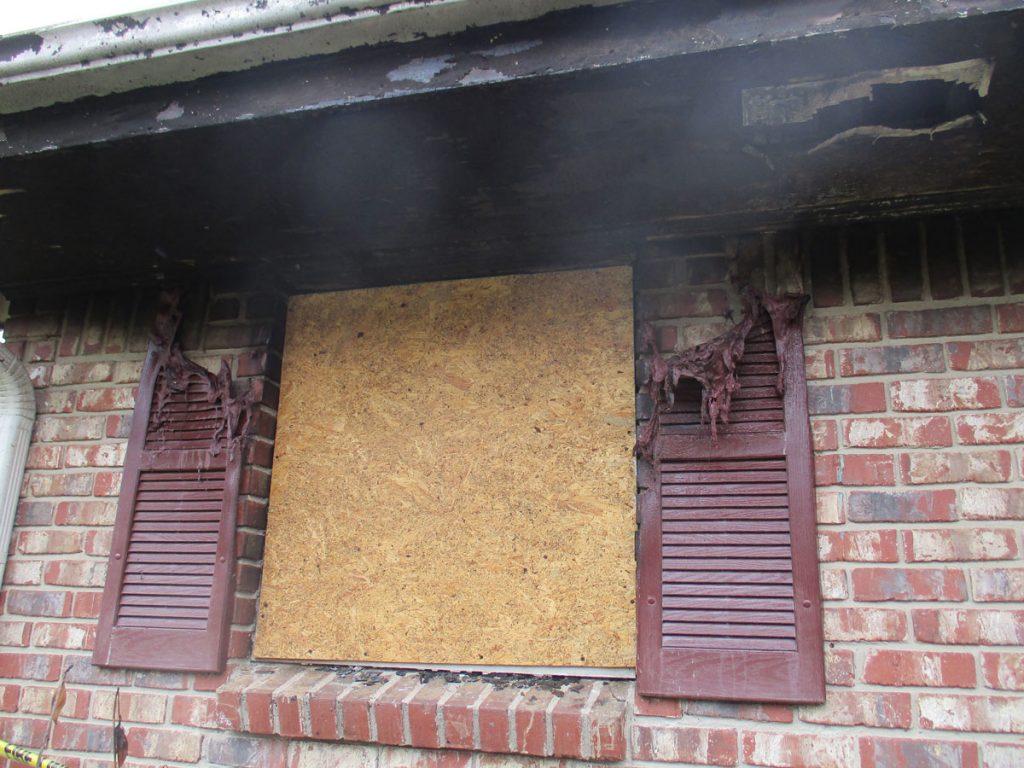
On the first day, the priority is protecting the house. Broken windows get boarded up and roof openings get tarped. This stops rain and intruders from adding new damage. It also matters for your claim, because policies expect you to prevent further damage.
Days 1 to 3: Water removal and drying
Many people are surprised by how much water is left after a fire. Fire hoses can soak floors, walls and the rooms below. In Georgia’s humidity, wet drywall and subfloors can start to grow mold within a few days. Therefore, water extraction and drying equipment go in early, often on the first day.
Drying usually takes three to five days. However, it can run longer when water reached hardwood floors, crawlspaces or wall cavities. Moisture readings, not guesswork, tell us when materials are dry.
Days 1 to 7: Inspection, documentation and the insurance adjuster
Meanwhile, the damage gets documented in detail. That means photos of every room, notes on how far smoke traveled, and a list of what can be cleaned and what must be replaced. Your insurance company will usually send its own adjuster during this window.
This phase often sets the pace for everything after it. Repairs can’t start until the scope is agreed. So keep copies of everything, answer the adjuster’s questions quickly, and ask for decisions in writing.
Week 1 to 2: Soot cleanup, contents and tear-out
Next comes the dirty work. Soot is acidic and oily, so it keeps staining surfaces the longer it sits. Salvageable walls, ceilings, cabinets and floors are cleaned with methods matched to the type of residue. At the same time, contents that can be saved are cleaned or packed out.
Materials that can’t be saved come out. That usually includes insulation that holds smoke odor, badly stained drywall and charred trim. Tearing these out now prevents the smell from coming back later.
Week 2 to 3: Odor removal
Smoke odor hides in places you can’t see, such as wall cavities, the attic and the ductwork. Air fresheners only mask it for a day or two. Instead, the structure and the HVAC system are cleaned and treated until the odor is actually gone. This step can’t be rushed, because sealing and painting over smoke odor locks it in.
Weeks 3 and beyond: Repairs and rebuild
Finally, the rooms go back together. Fire damage repair at this stage can include new drywall, stain-sealing primer, paint, trim, flooring and cabinets. A small kitchen fire may be finished within a few weeks of the fire. By contrast, a fire that damaged structure or several rooms can take months, especially when materials must be ordered or permits are needed.
What slows a fire damage repair timeline down
- Waiting on insurance approval. Work stalls when the scope isn’t agreed.
- Hidden water. Wet materials behind walls or under floors add drying time.
- Structural damage. Framing repairs and permits add weeks.
- Special-order materials. Matching cabinets, flooring or windows can take time to arrive.
- Waiting too long to start. Soot and water damage both get worse with time, so a slow start makes the whole job bigger.
How to speed things up
You can’t control everything, but you can keep the job moving. Start the board-up and drying right away. Photograph the damage before anything is moved. Keep a simple log of every call with your insurer. And make decisions on finishes early, so materials are ready when the repair phase starts.
For more on the federal government’s guidance, see the U.S. Fire Administration’s page on what to do after a fire.
Where to stay while repairs happen
If the house isn’t livable, check your homeowners policy for additional living expenses, sometimes called loss of use. It may help with a hotel or rental while repairs are underway. Your insurance company decides what is covered, so ask your adjuster early and keep every receipt. Also, tell your mail carrier and utilities where you are, and keep important documents with you rather than in the damaged house.
Get your fire damage repair started
RapidRestore24 handles every phase above, from board-up to the final repairs. Learn more about our fire damage repair service and our fire and smoke damage remediation work. We serve Marietta, Roswell, Kennesaw and the rest of metro Atlanta. Call 404-445-4561; our phone is answered 24 hours a day.