After a burst supply line, what to throw away comes down to one question: did the material soak up water and stay wet? Porous items such as carpet pad, soaked insulation, saturated drywall, mattresses and particleboard are the usual discards. Solid wood, metal, glass and sealed hard surfaces can often be dried and kept.
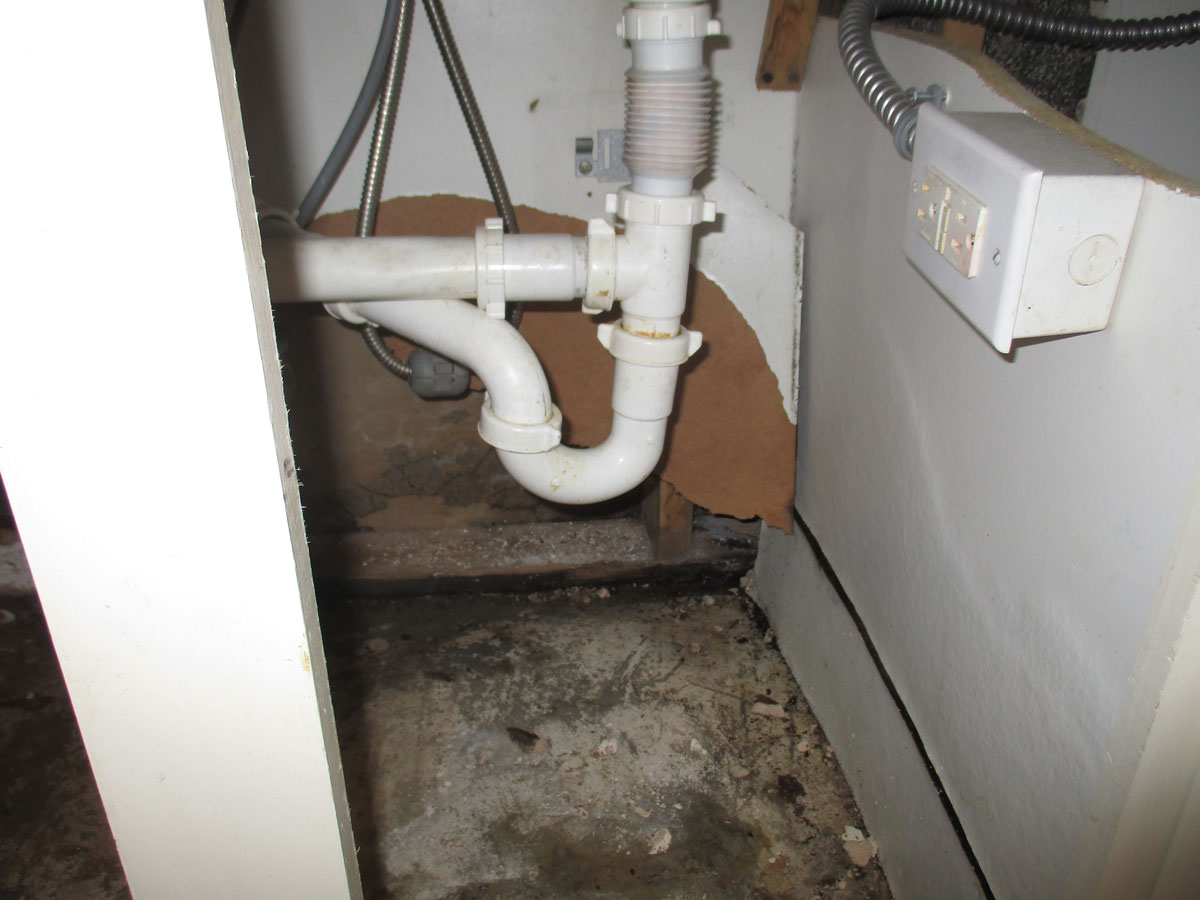
No single rule fits every house, though. This guide shows how to sort your belongings room by room and when to stop sorting and call a professional. If water is still spreading, read our guide to what to do in the first hour of a burst pipe first.
What to throw away after a burst pipe: the short answer
Porous materials hold water deep inside, so they are hard to dry fully. That is why they make up most of what to throw away after a burst pipe.
Usually discarded:
- Carpet pad
- Soaked insulation
- Saturated or sagging drywall
- Mattresses
- Particleboard furniture and cabinet parts
Often dried and kept:
- Solid wood furniture and trim
- Metal and glass items
- Sealed hard surfaces such as tile and finished countertops
A crew doing burst pipe water cleanup can tell you which side of that line a particular item falls on.
Why the type and length of water exposure matters
Knowing what to throw away starts with where the water came from. A burst supply line carries clean water, so items that were reached quickly have a better chance of being saved.
However, clean water does not stay harmless. The longer materials stay wet, the more likely they are to pick up dirt and bacteria and to grow mold. The EPA’s guidance on mold cleanup in your home stresses drying wet materials quickly, generally within 24 to 48 hours, to prevent mold growth.
Water from a drain, toilet or sewer line is a different problem. Far more items end up in the trash in those cases, and the cleanup needs more care.
Room-by-room: what to throw away after a burst pipe
Use this checklist as a starting point. Each item below depends on how wet it got and how long it stayed that way.
- Carpet and pad: The pad acts like a sponge and is usually discarded. The carpet itself can sometimes be lifted, dried and reinstalled if the water was clean and it was addressed quickly.
- Drywall and baseboards: Drywall that is saturated, soft or sagging usually comes out. Solid wood baseboards can often be removed, dried and reused.
- Insulation: Soaked insulation holds water against framing, so it is normally removed. Dry insulation nearby may be fine, but it needs checking.
- Cabinets and vanities: Solid wood and sealed cabinets can often be dried. Particleboard swells, crumbles and rarely recovers, so plan to replace it.
- Upholstered furniture and mattresses: Mattresses are usually discarded. Wet cushions are hard to dry all the way through, though a solid wood frame can often be saved.
- Books and papers: Most wet paper is lost. Set aside important documents and photos, and ask a professional about drying them.
- Electronics: Do not plug them in. Leave them unpowered until a technician checks them.
Why dry-looking surfaces are not always dry
Before you decide what to throw away, find out where the water actually went. Water travels inside walls, under flooring and above ceilings, so a surface can look fine while the material behind it is still wet.
Professionals use moisture mapping and thermal imaging to trace that path. Moisture meters and thermal cameras show how far the water has traveled, so we do not assume anything is dry just because it looks dry. Our guide on how to tell if water damage was dried properly explains what to ask about.
Photograph first, then decide what to throw away
Do this before you discard anything:
- Take wide photos of each affected room, then close-ups of damaged items.
- Write a list of each item, with its approximate age and where it was.
- Keep receipts or model numbers if you have them.
- Call your insurance company and ask what documentation they need and whether they want to see items before disposal.
Your insurer can tell you how your own policy handles claims. We cannot say what any policy will cover, so that call matters.
Stay safe around power and wet electronics
Safety comes before sorting what to throw away. Water and electricity are a dangerous mix.
If it is safe to reach your breaker panel without stepping through water, turn off power to the affected areas. Do not stand in a wet room with live outlets. If the panel itself is in a wet area, stay out and call an electrician or your utility company.
Also leave wet electronics alone. Running a wet device can damage it or cause a shock, so keep it unplugged until it has been checked.
When to call RapidRestore24 instead of sorting it alone
If you are unsure what to throw away, that is a good sign to get help. Call when:
- Water got into walls, ceilings or under flooring
- The wet area is larger than you can dry yourself
- Materials have stayed wet for more than a day or two
- You notice a musty smell or see possible mold
- You cannot tell whether something is dry
Our crews use moisture mapping, thermal imaging and structural drying to see what can be saved. If mold shows up, our mold remediation crews handle the cleanup, and a licensed mold assessor we bring in handles inspection and testing.
Our phone is answered 24/7. To book burst pipe water cleanup, call us or use the contact options on our site.
What to throw away: common questions
Can I keep a mattress if it only got a little wet from a burst pipe?
Mattresses are usually on the list of what to throw away, because water soaks deep into the padding and is hard to dry fully. If it got only slightly damp, a professional can check it with a moisture meter before you decide.
Do I have to throw away everything that got wet?
No. What to throw away mostly depends on the material. Solid wood, metal, glass and sealed hard surfaces can often be dried and kept, while porous items that stayed wet are the usual discards.
Should I throw away wet items right away to stop mold?
Photograph and list them first, then call your insurance company to ask what documentation they need. After that, remove wet porous items promptly, because what to throw away is easier to decide once the damage is recorded.
Is it safe to plug in electronics that got wet in a burst pipe flood?
No. Leave wet electronics unplugged and unpowered until a qualified technician has checked them. Running them can cause damage or create a shock risk.