Before you haul out a single wet rug, document storm damage with photos and video. A clear record helps your insurer understand what happened, and it helps you remember it later.
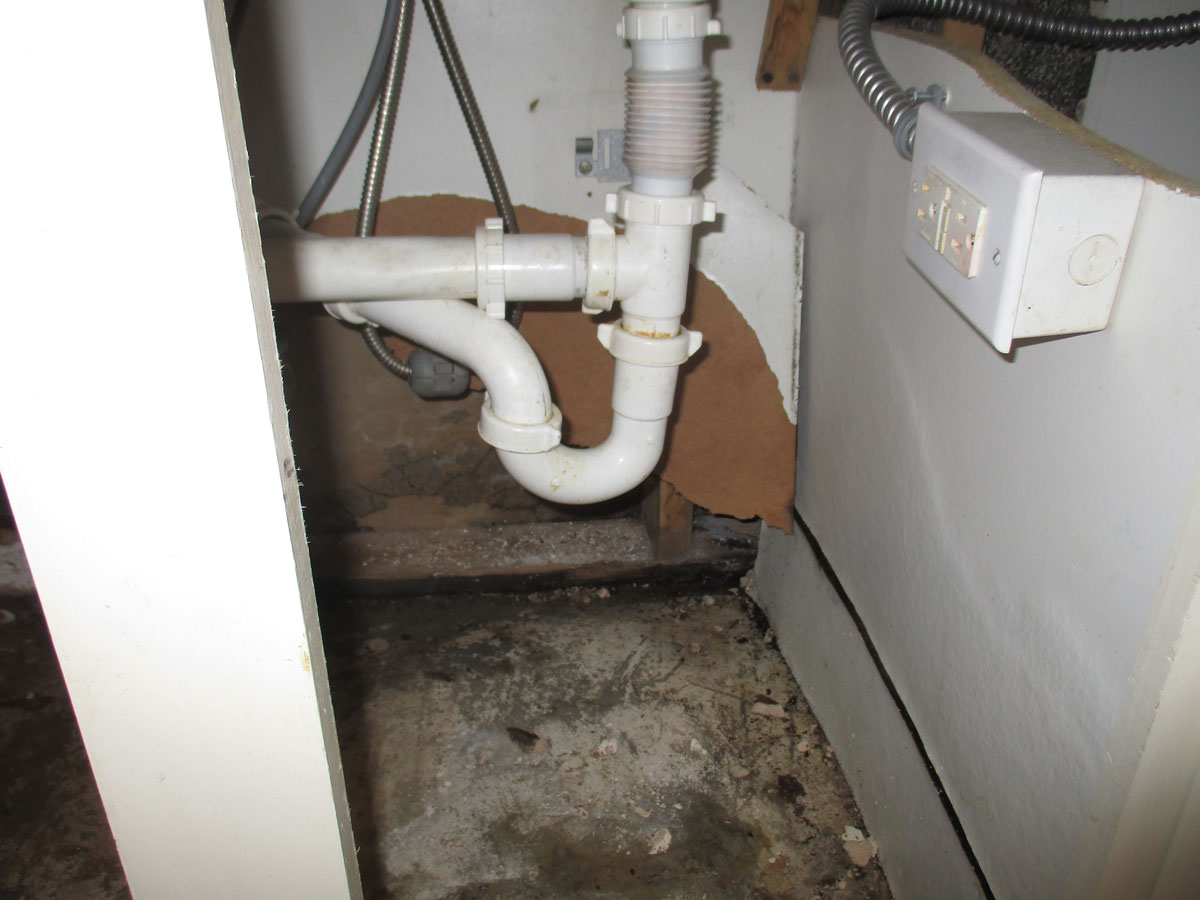
Here is the short version. First, photograph and video everything. Then make only the temporary repairs needed to stop more damage. Also keep damaged items until your insurer says otherwise, and save every receipt.
If your home needs storm damage cleanup in Kennesaw, these steps help you start the work with a solid record behind you.
Safety first, then document storm damage
Photos matter, but safety comes first. Stay out of any room with a sagging ceiling, exposed wiring or standing water near outlets. Also keep clear of downed power lines. Ready.gov’s flood safety guidance covers the basic hazards of returning to a storm-damaged home.
Once the space is safe, document storm damage before you clean, move or throw anything away. Water dries, debris gets swept up, and details disappear. A photo taken today is hard to recreate next week.
Temporary repairs are different. Many policies ask you to protect the property from further damage, so check yours. For example, tarp a roof opening, board a broken window or lift furniture off wet floors. Photograph the problem first, then the repair, and keep the receipts for materials.
Shoot wide, medium and close-up photos
Three kinds of shots make it easier to document storm damage clearly. Take all three in every affected room.
- Wide: Stand in the doorway and capture the whole room, ceiling to floor.
- Medium: Show each damaged area with its surroundings, such as a stained wall and the outlet beside it.
- Close-up: Capture details like a water line, peeling paint or a cracked window frame. Put a tape measure or coin in the frame for scale.
Then record a slow video walk-through of each room. Describe what you see out loud and say the date. Start outside in daylight, because roof damage, siding, fences and fallen trees are easier to see before dark.
Keep the original files and avoid editing them. Most phones save the date and time with each photo, which helps. Also email a copy to yourself so a lost phone does not erase the record.
What to record in every room
When you document storm damage, work room by room so nothing gets missed. Look for these items:
- The source of entry, such as a roof opening, broken window, failed flashing or fallen limb.
- Water lines on walls and cabinets.
- Wet or bubbling drywall, swollen baseboards and stained paint.
- Flooring that is buckled, soaked or lifting, including carpet and pad.
- Ceiling stains, sagging spots and drips.
- Damaged belongings, with model and serial numbers where you can see them.
- Exterior damage to shingles, gutters, fences, trees and siding.
Photograph belongings where they sit, then again once you move them to a dry spot. Also open closets and cabinets, because water often travels farther than it looks.
Keep a written log to document storm damage
A simple notebook or phone note helps you document storm damage in ways photos cannot. Write down dates and times as you go:
- When the storm hit and when you first noticed each problem.
- Every call with your insurer, including the person’s name, the date and what they told you.
- Your claim number once you have one.
- What you did, such as shutting off water, tarping the roof or running fans.
- Anything you removed or discarded, with a photo.
Keep damaged items until your insurer says otherwise. If something is unsafe or unsanitary, such as soaked food or items touched by sewage, photograph it and ask your insurer before you discard it.
Save every receipt too, including tarps, plywood, hotel stays and equipment rentals. Ask your insurer which expenses they want documented. Coverage is their decision, so do not assume anything.
How the insurance process usually works
Every insurer works a little differently, but the habit to document storm damage fits most claim processes. Generally, the steps look like this:
- Call your insurer early and report the damage.
- Ask what they require, such as photo formats, inventory forms and deadlines.
- Ask which temporary repairs and cleanup steps they want done before an inspection.
- Expect an adjuster to review the damage, either in person or through your photos.
Whether something is covered depends on your policy and your insurer’s decision. We cannot tell you what a claim will pay. Your insurer can explain your policy, and your photos and log give the adjuster a clear starting point.
When to call a professional to document storm damage
A professional can document storm damage that a phone camera cannot see, such as moisture inside walls. Bring one in if you notice any of these:
- Standing water.
- Soaked insulation or drywall.
- Anything that has stayed wet for more than a day or so.
Hidden moisture is the reason. Water can sit inside walls and under floors long after the surface looks fine. Moisture mapping and structural drying find it and remove it, which helps prevent mold and further damage. Our water damage drying timeline shows what happens hour by hour.
RapidRestore24 documents moisture readings as part of mitigation, so you have dated numbers to sit alongside your own photos and log. Our storm and flood damage cleanup service covers water from roof openings, broken windows and flooding. Still take your own photos first.
If you are ready to book storm cleanup in Kennesaw, reach out to RapidRestore24. Our phone is answered 24/7, so you can call at any hour.
Document storm damage: common questions
How long do I have to document storm damage after a storm?
Policies set their own reporting deadlines, so ask your insurer what applies to you. Sooner is better either way, because water dries, debris moves and evidence changes quickly.
Is phone video enough to document storm damage?
Video is a good addition, but pair it with still photos. Photos show detail like water lines and serial numbers more clearly, and the video shows how the rooms connect.
Do I still need my own photos if a restoration company records moisture readings?
Yes. Moisture readings add dated measurements, but your own photos and notes show the condition of the home before anything was moved. Together they make a fuller record when you document storm damage.
What should I do if I find more damage after I document storm damage?
Photograph the new damage, add a dated entry to your written log and tell your insurer. Hidden moisture often shows up days later as stains, odors or soft flooring.