A musty smell in house closets, bathrooms and basements usually means moisture is feeding microbial growth somewhere you can’t see. The source is often behind drywall, under flooring, inside a wall cavity or around a slow leak. So the odor is a clue worth following, even when every surface looks clean.
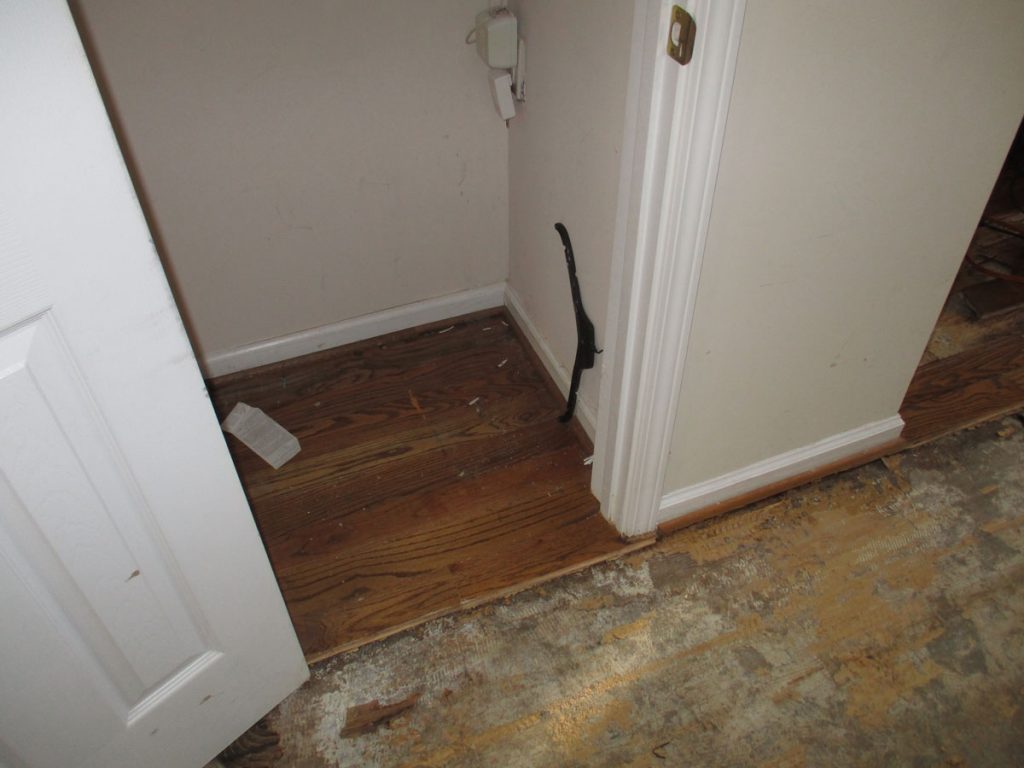
This guide covers what to check safely, what to avoid and when to call for help. If you live in Dunwoody, our page on mold remediation Dunwoody ga explains how we work in the area.
Why a musty smell in house air usually points to hidden moisture
Mold and mildew give off gases as they grow. That earthy, damp-sock odor is what you notice. However, the growth itself can sit out of sight, because it likes dark, damp, still spaces. A musty smell in house walls or floors often starts that way.
Common hiding spots include:
- Behind drywall near a leaking supply line or drain
- Under carpet, pad or vinyl flooring where water soaked in
- Inside wall cavities below a roof or window leak
- Around vents, ducts and air handlers where condensation collects
- In basements and crawl spaces with poor drainage
A past water event can also leave the odor behind. Surfaces may feel dry while framing and subfloor stay damp much longer. Our post on how to tell if water damage was dried properly explains why.
What to check safely when you notice a musty smell in house rooms
Start with a slow walk-through. You only need your eyes, your nose and a flashlight. Nothing here requires opening a wall, and a musty smell in house spaces is easier to trace when you go room by room.
Look for leaks and water stains
A musty smell in house corners often traces back to a small, steady leak. Check these spots:
- Ceiling and wall stains, especially yellow or brown rings
- Peeling paint, bubbling wallpaper or warped baseboards
- Damp carpet edges along exterior walls
- Cabinets under sinks, around toilets and behind the washer
- Ceilings below bathrooms and under roof valleys
Then think back. Did a pipe burst, an appliance overflow or a storm push water in? Any past water event counts, even if you dried it yourself.
Check humidity and condensation
Moisture in the air can cause the same odor. If a musty smell in house rooms comes with foggy windows, sweating cold pipes or a clammy feel, measure the humidity. A basic hygrometer from a hardware store works. The EPA recommends keeping indoor humidity below 60 percent, and ideally between 30 and 50 percent, in its guide to mold, moisture and your home.
What not to do when you can’t see the source
Some quick fixes make a musty smell in house spaces harder to solve. Avoid these:
- Leave the walls closed. Cutting into drywall can release spores and dust, and you may hit pipes or wiring.
- Skip the bleach. It won’t reach hidden growth, and it adds moisture.
- Resist air fresheners. They hide the clue you need.
- Keep fans away from suspect areas. Moving air can carry spores into other rooms.
How a mold assessor and our crews find and fix the problem
When a musty smell in house air won’t go away, the next question is whether mold is present and where. A licensed mold assessor, whom we bring in, handles inspection and testing. That gives you a clear answer before any cleanup starts.
If mold is found, our own crews handle remediation. Our methods include:
- Moisture mapping to trace which materials are wet
- Thermal imaging to spot temperature differences that suggest moisture behind surfaces
- Containment to keep spores from spreading to the rest of the home
- Structural drying so materials don’t stay damp
Finding and fixing the moisture source is part of the process. Otherwise the growth can come back. That may mean a plumber or roofer repairs a leak first. You can read more about our mold remediation services.
Signs your musty smell in house needs a professional
Some situations call for expert help right away. Call a professional if any of these apply to your musty smell in house:
- The smell returns after you clean or dry the area
- You see staining, discoloration or fuzzy spots
- Health symptoms, such as coughing or irritated eyes, ease when you’re away from home
- A past water event was never fully dried
- The odor gets stronger when the HVAC runs
Symptoms have many possible causes, so also talk with your doctor about them.
Insurance and next steps for a musty smell in house
If the cause was a sudden leak, such as a burst pipe or an overflow, call your insurer early. Ask how they handle a claim like yours. Policies often treat sudden and long-term leaks differently, and we can’t say what yours will cover.
Meanwhile, note where the smell is strongest, take photos of any stains and write down when you first noticed it. Those details help the assessor and your insurer.
If you’re in Dunwoody and the odor won’t fade, we can help with mold remediation in Dunwoody, GA. Our phone is answered 24/7, so you can reach us whenever you notice the problem.
Musty smell in house: common questions
Can a musty smell in house air mean mold even if I can't see any?
Yes. A musty smell in house rooms often means moisture and microbial growth are hiding behind surfaces. Only a licensed mold assessor can confirm whether mold is present through inspection and testing.
Should I buy a home test kit for a musty smell in house?
A store kit usually can't show where the moisture or growth is hiding. A licensed mold assessor can inspect the home, test it and help pinpoint the source.
Will a dehumidifier get rid of a musty smell in house rooms?
A dehumidifier can lower humidity and may ease the odor. However, it won't remove existing growth or fix a leak, so the smell can return.
Who handles a musty smell in house inspections and cleanup at RapidRestore24?
We bring in a licensed mold assessor for inspection and testing. Our own crews then handle remediation if mold is found.