Water mitigation means stopping water damage from getting worse, and it comes before any rebuilding. If someone told you your Acworth home needs “mitigation,” the word may sound vague. So here is the usual sequence, step by step.
The short version: a crew stops the water, finds every wet spot, removes the water and ruined materials, then dries the structure until moisture readings return to normal. For local details, see our page on water mitigation Acworth.
What water mitigation means for your home
Water mitigation is the emergency stage of a water loss. The goal is to limit the damage, not to make the house look new. Water soaks into drywall, insulation, subfloor and framing quickly, so each step aims to pull moisture out before it does more harm.
Most jobs follow this order:
- Stop the water source.
- Find hidden moisture with meters and thermal imaging.
- Extract standing water.
- Remove materials that can’t be saved.
- Set up drying equipment.
- Monitor until moisture readings return to normal.
The order can shift a little from house to house. For example, extraction may start while the crew is still mapping moisture.
Step 1: Stop the water at its source
Nothing else works until the water stops. For a burst pipe, that means shutting off the main water valve. For a roof leak or storm intrusion, it may mean a temporary tarp. A plumber or roofer may then need to make the permanent repair.
Water mitigation can’t finish while new water keeps coming in. However, safety comes first. If water is near outlets or the electrical panel, don’t step into it. Shut off power only if you can reach the breaker while staying dry.
Step 2: Find hidden moisture with mapping and thermal imaging
Water travels. It wicks up walls, runs under flooring and pools inside wall cavities. A surface can feel dry while the drywall behind it stays wet.
So the crew uses moisture meters to take readings across floors, walls and ceilings, then records them as a moisture map. A thermal imaging camera also shows temperature differences that can point to wet areas behind surfaces. However, a camera doesn’t measure moisture directly, so the crew confirms suspect spots with a meter.
This step matters for water mitigation because any wet area that gets missed keeps causing damage. The map also gives the crew a starting point to compare against later readings.
Step 3: Extract the water and remove what can’t be saved
Pumps and extraction units remove standing water first. Machines pull out far more water than evaporation does, and they do it faster.
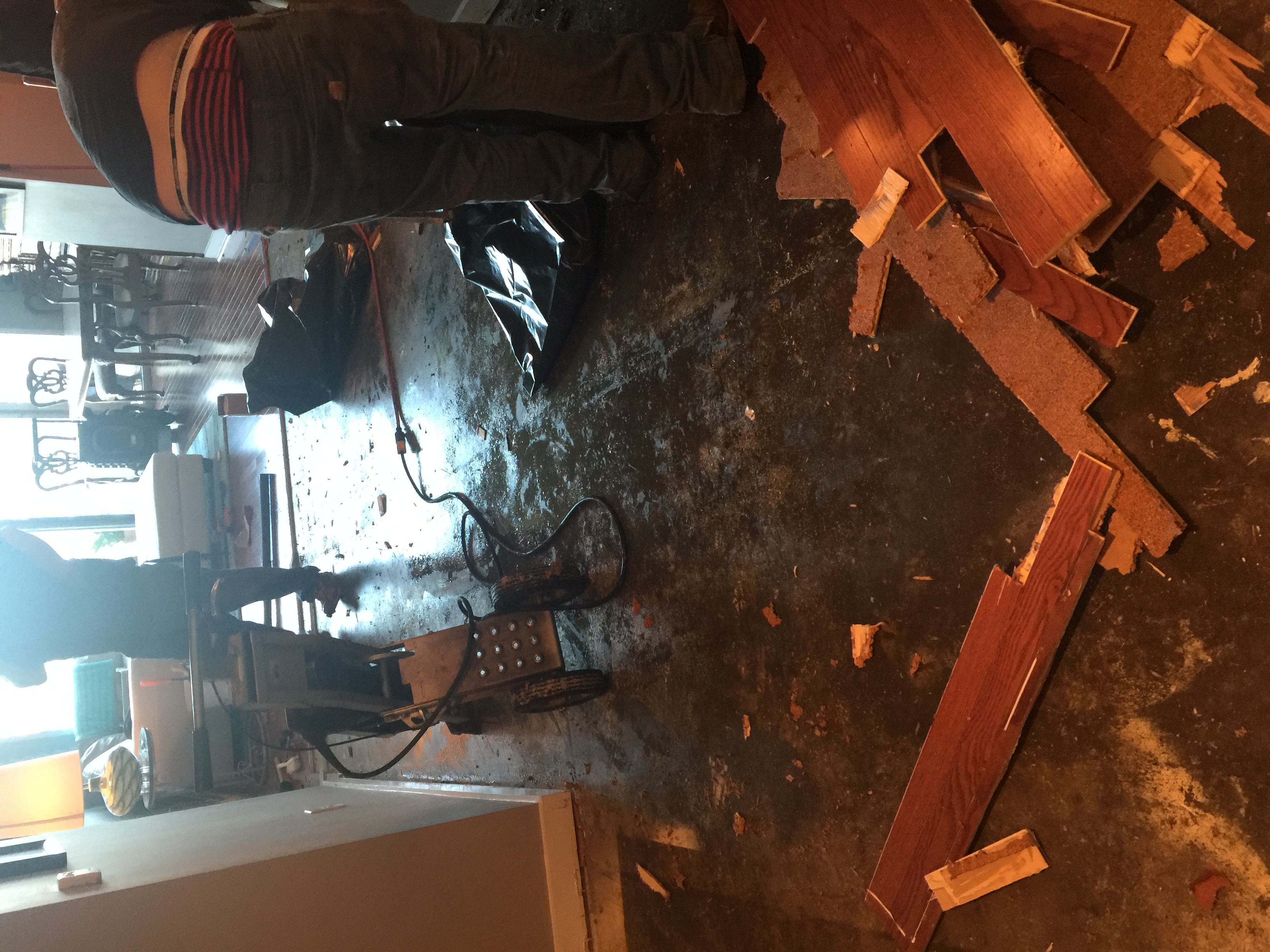
Next, the crew removes materials that can’t be dried in place. Common examples include soaked carpet padding, wet insulation, swollen particleboard and drywall that absorbed water. Sometimes crews cut drywall away from the wall to open the cavity for drying.
Contaminated water, such as a sewage backup, changes the rules. Porous materials that touched it usually have to go. This removal is part of water mitigation because wet material left in place holds moisture against the framing.
Step 4: Set up drying equipment and monitor the readings
Air movers push dry air across wet surfaces. Dehumidifiers pull moisture out of the air. Crews place the equipment Based on the moisture map, not guesswork, and may use specialty systems for wall cavities or floors.
Then monitoring begins. Technicians return, take new readings and adjust the equipment. Water mitigation is done when readings in the affected materials return to normal dry levels, not when the surface feels dry to the touch.
Drying time depends on the materials, the amount of water and the conditions in the house. So any timeline is only an estimate until readings show progress. For a general picture, see our water damage drying timeline. You can also learn how to tell if water damage was dried properly.
If you see or smell mold during this stage, a licensed mold assessor we bring in handles inspection and testing. Our own crews handle the remediation.
Water mitigation vs. restoration: what’s the difference?
Mitigation stops further damage. Restoration rebuilds what was lost, such as drywall, paint, flooring and cabinets. The two are separate stages, even when one company does both.
Seeing water mitigation as its own phase explains why you may get a mitigation plan before anyone talks about rebuilding. Restoration should wait until the structure is dry. Otherwise, new walls can seal moisture in, and that invites mold. Our water damage remediation page explains how we handle both stages.
Why insurers ask for water mitigation right away
Most homeowner policies expect you to take reasonable steps to prevent further damage after a loss. That is why insurers usually want mitigation to start quickly. Water left in place keeps damaging the house.
Policies differ, so call your insurance company and ask how your policy handles mitigation. A few questions help:
- Do I need to report the loss before work starts?
- Does the insurer want photos or video before materials are removed?
- Are there approval steps or preferred vendors I should know about?
- Which documents should I keep, such as invoices and moisture readings?
We can’t tell you what a policy will cover. Only your insurer can do that. Take photos of the damage before anything is removed, and keep your receipts.
Speed also matters for mold. The EPA’s mold cleanup guidance advises drying wet materials within 24 to 48 hours to help prevent mold growth.
Next steps for water mitigation in your Acworth home
Water mitigation works best when it starts early, because wet materials keep absorbing damage. If water is in your home now, stop the source if you can do it safely, take photos and get in touch. Our phone is answered 24/7.
To get started, visit our page on water mitigation in Acworth and reach out from there.
Water mitigation: common questions
Can I handle water mitigation myself?
For a small, clean spill on a hard floor, you can often mop up and run fans. Larger losses are different, because water mitigation depends on finding moisture inside walls and subfloors that you can't see without meters. Sewage or other contaminated water should always go to a professional.
Will water mitigation mean cutting out my walls or flooring?
Sometimes. Materials that can't be dried in place, or that touched contaminated water, are removed during water mitigation, and moisture readings guide what has to come out. Materials that can dry safely are usually left in place.
Do I need a mold test after water mitigation?
Not automatically. If you see growth or smell mustiness after water mitigation, a licensed mold assessor we bring in can handle the inspection and testing. Our own crews handle any mold remediation that follows.
What should I do before a water mitigation crew starts work?
Stop the water source if you can do it safely, and stay out of water near electrical outlets or the panel. Then take photos and video of the damage, and call your insurance company to ask how your policy handles water mitigation.